
In my practice, there are two main types of patients and they both typically benefit from a “stabilization” period of tending to the basics. The first type of patient is the one who lives a really healthy lifestyle, has solid routines, and still experiences disruptive symptoms. This type commonly receives feedback like: “You live the healthiest lifestyle—you should feel the best!” To optimally support this type of patient, we often have to dig deeper into nervous system and inner work, particularly when it comes to more specialty diagnoses (like MCAS, mold, etc). Nonetheless, there is still great value in returning to and optimizing the basics; I know many people want to jump into complex treatment plans, especially those with chronic health issues, but oftentimes these people experience a worsening of symptoms with certain “healthy” foods and routines (think bone broth, sauerkraut, high intensity workouts, etc).
The second type of patient hasn’t yet explored the basics. For this patient, the first step is not to dig deeper, but to build solid, health-promoting daily routines before doing deeper work. Of course, for many people, the basics might not be enough but I will say that it’s very difficult to shift our baseline level of health without them. I suggest my patients spend 2-8 weeks building sustainable routines; these aren’t quick fixes and these aren’t practices we incorporate for X amount of time. This is literally a cumulative restructuring of our lifestyle so that it can be more supportive of our felt sense of well-being (in a culture and modern day paradigm that deeply challenges our ability to experience robust health).
The following compilation of the basics perfectly highlights that simplicity doesn’t necessarily equal easy. Remember to take your time and build up slowly; we want these habits and routines to last. I also love the 80/20 rule, reminding us to not expect perfection but rather to aim for incorporating these practices and habits approximately 80% of the time—even I still have days when I don’t drink enough water, etc!
NOURISHMENT:
Credit to Lily Spechler - The Long COVID Dietitian
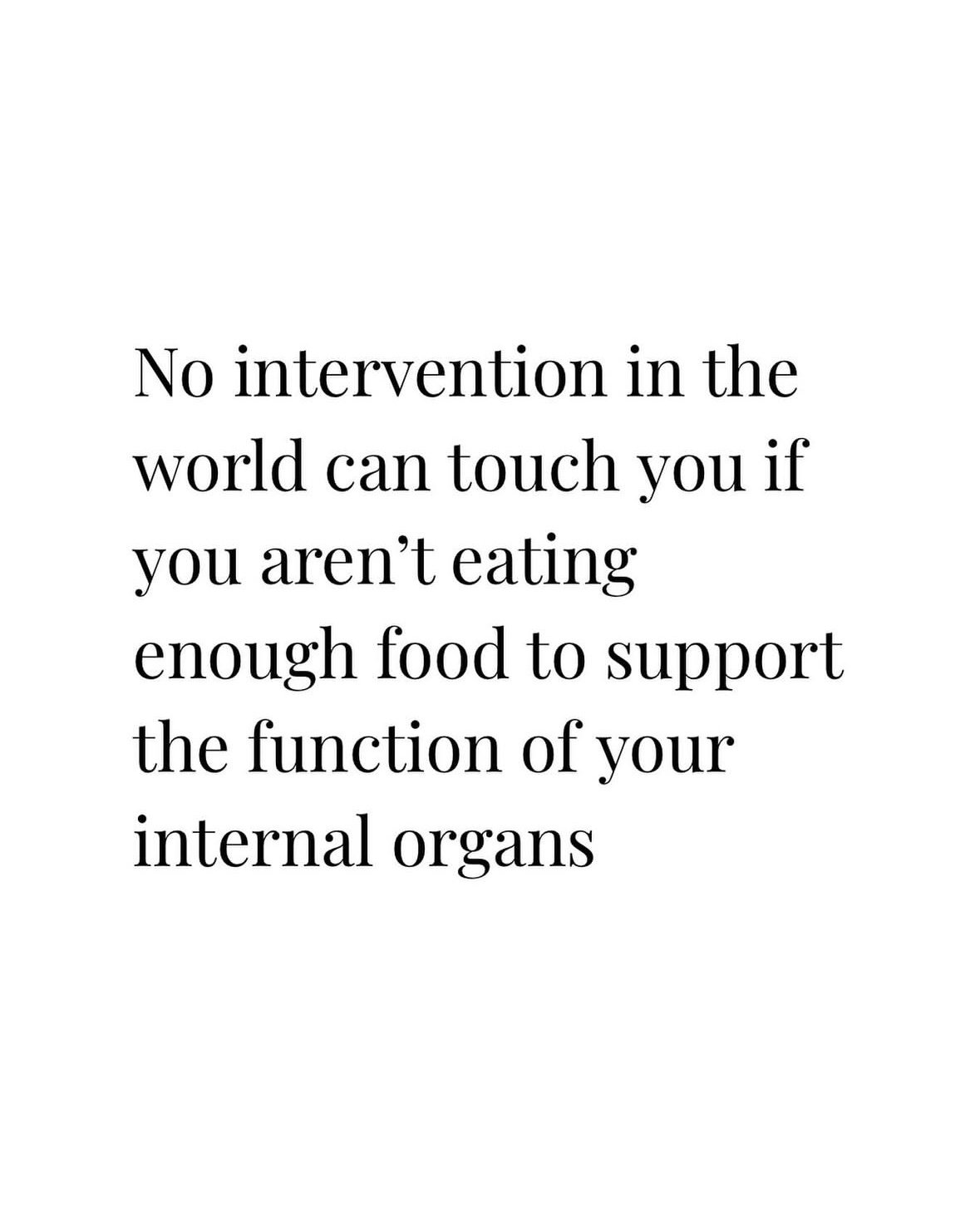
Eat 3 well-balanced meals a day (protein, carb, fat + veggie for breakfast, lunch and dinner) - don’t skip meals! This is the very basis of balancing blood sugar, which is key. Eat within the same time frame everyday for each meal.
Listen to your body cues—eat when you’re hungry.
Snacks are ok! Eat protein rich, blood sugar stable snacks (ex: beef jerky, hummus with veggies, fruit with nuts, hard boiled eggs etc).
Mostly cook your food, and eat mostly whole foods.
Limit sugar and alcohol intake.
If you have known foods that trigger you, avoid them! Inflammation and symptoms from trigger foods don’t just stay in the gut—they travel throughout our entire systems. If you don’t know your trigger foods, don’t worry about that yet.
HYDRATION:
Water and hydration are essential to cellular function, energy production, ability to detox and more! You cannot feel good or heal if you are dehydrated, which is a lot more common than you might think.
Aim for at least half your body weight in ounces of water (e.g., a 100 lb person should get a minimum of 50 oz of water per day).
It’s highly likely that adding minerals and electrolytes to your water will be the most supportive of your health.
You can read more on the essentials of hydration on my blog post here.
MOVEMENT:
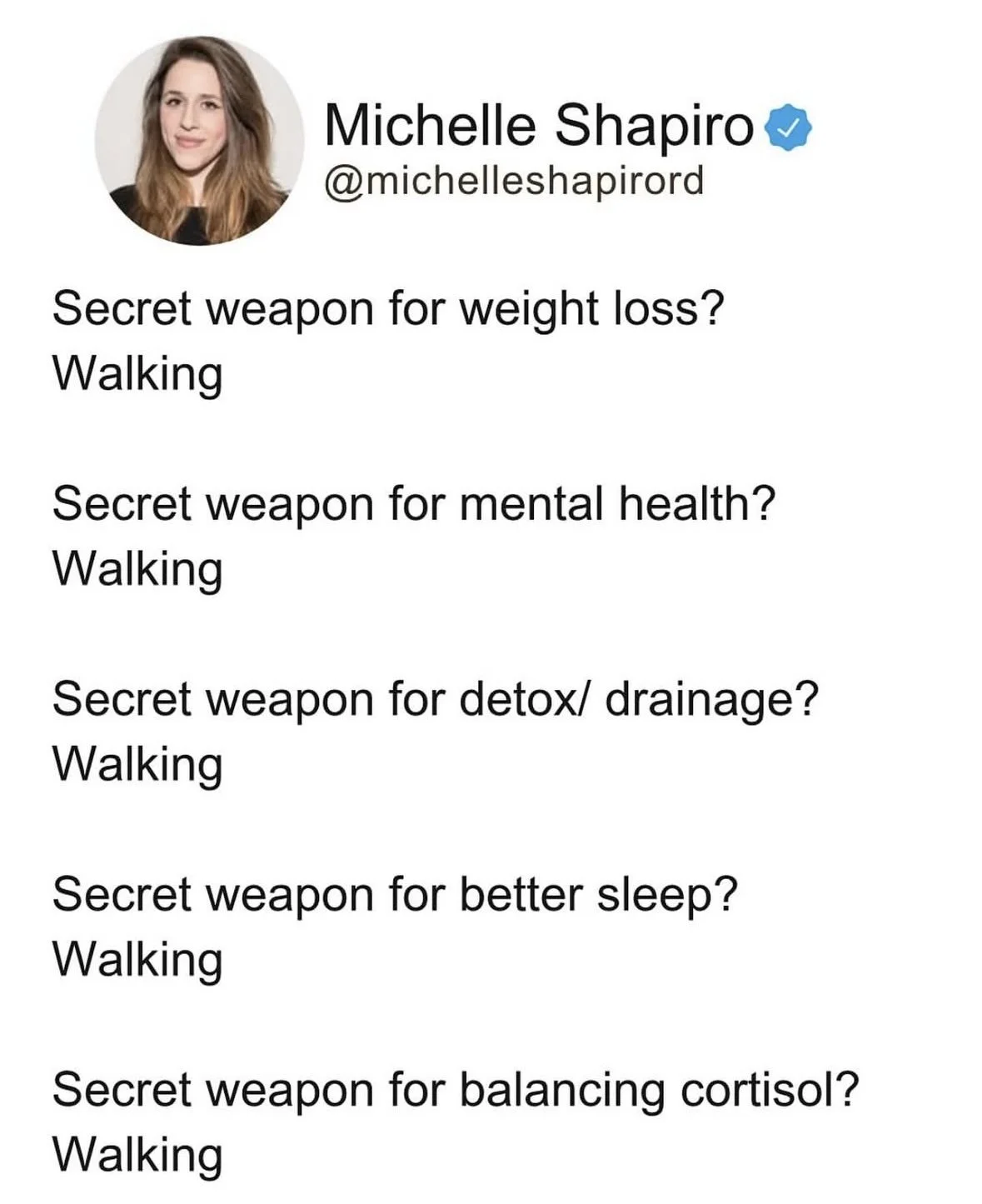
Aim for gentle movement daily and stop before you’re beyond your capacity.
Examples of optimal gentle movement include: walking, dancing, swimming, stretching, etc.
Some people can do some strength training, but I would say most people do not need high intensity workouts.
SLEEP & CIRCADIAN RHYTHM:
Within 30 minutes to 1 hour of waking, go outside and get natural light in your eyes, ideally before using your phone. This is also a great time to drink a glass of water. I personally love to eat my breakfast outside when the weather permits.
Throughout the day try to take breaks to go outside and expose your body to natural sunlight.
If your routine and the season permits, watching the sunrise and sunset are great for balancing circadian rhythm.
Aim for 7-9 hours of sleep a night!
Have a wind down bedtime routine (ideally 1-2 hours before bed) which includes avoiding screens and/or wearing blue light blocking glasses, and using candlelight or red light (I love this reading light!)
Some bedtime routine ideas:
Warm bath or shower
Journaling
Contemplating 3 things you are proud of or grateful for that day (you can also do this with a partner or kids)
Calming tea
Nervous system regulation practice (see below)
Reading
Stargazing
As a bonus, you can eat some sunflower seeds and blackberries within one hour of bed to boost melatonin production.
RESET:
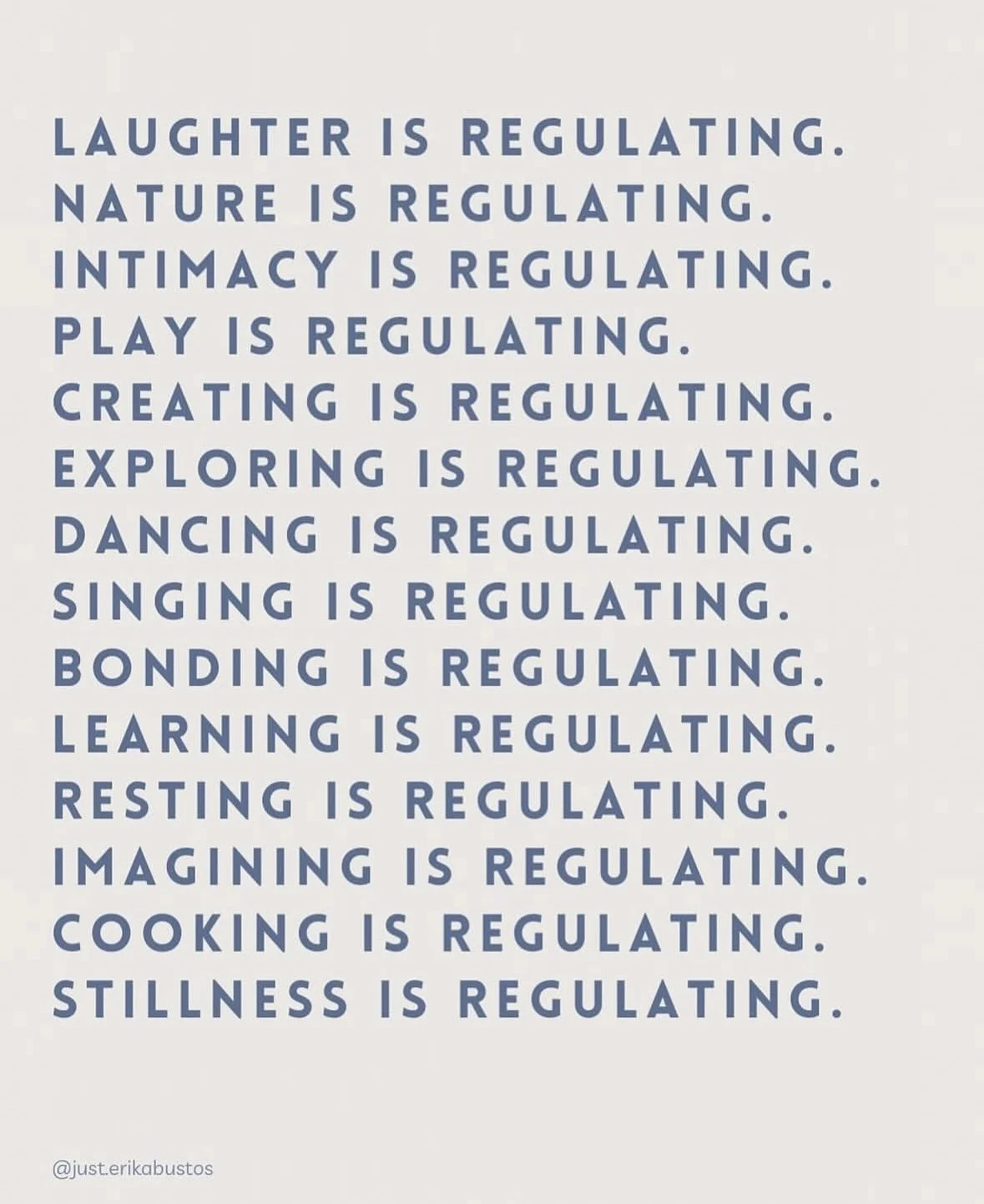
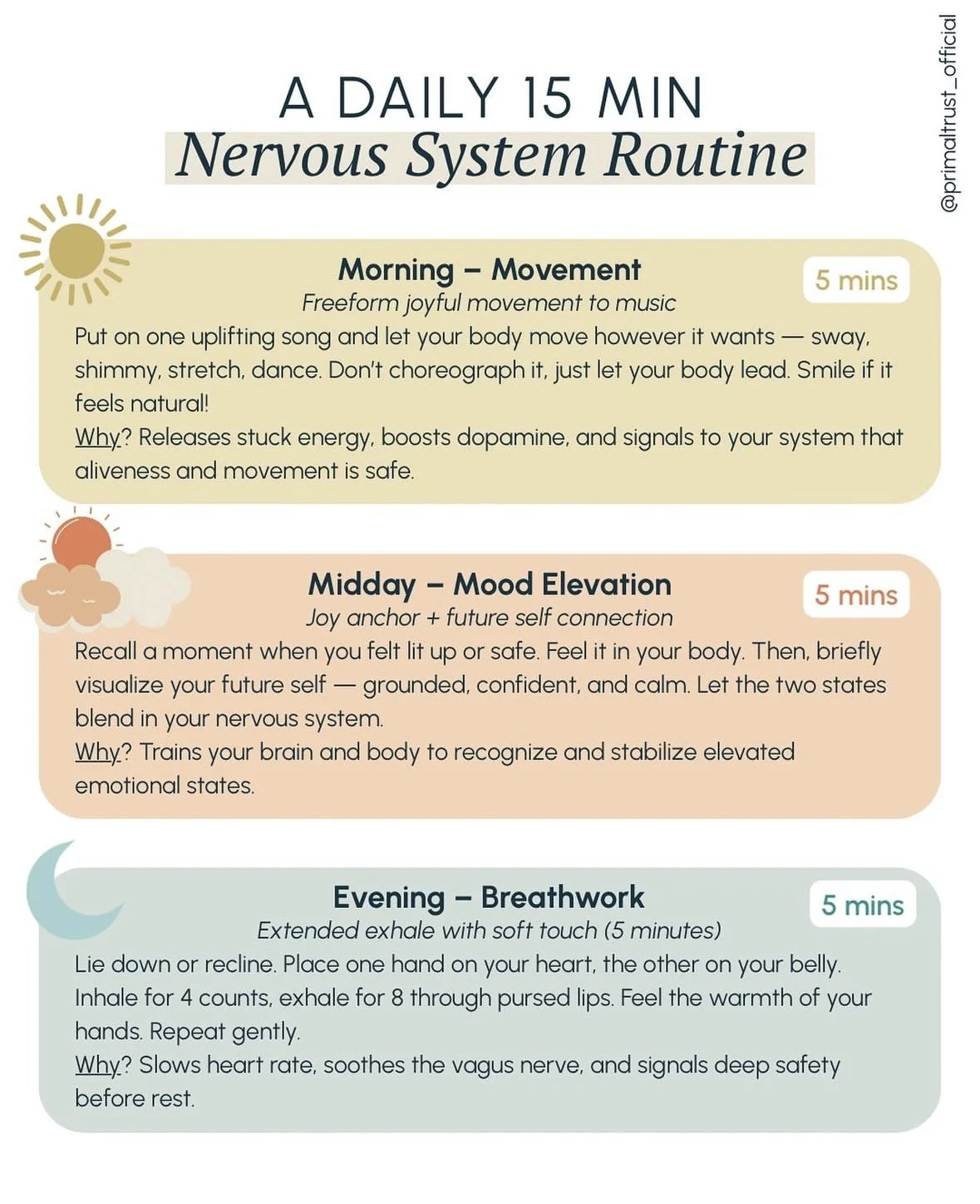
There are SO many nervous system regulation tools! Build a “tool kit” of ones that you like and this may change over time. You don’t “have” to do any of them in particular, just find the ones you enjoy the most! These don’t have to take a lot of time; you can do a lot of the below suggestions in just 5-10 minutes.
Some options:
EFT Tapping
Breathwork or breathing practices
Meditation (I love Insight Timer!)
Body scans
Dancing
Grounding—be barefoot on the earth or ground
Time in nature
Vagus nerve exercises (singing, humming, voo breaths)
Yin yoga
Making some space to feel your feelings
Shaking
Somatic practices
Sending messages of safety to yourself
And more!
The day you get acupuncture—that counts as your nervous system reset for the day!
If you have complex chronic health issues, I highly recommend starting the Primal Trust Program. The first level is ALL nervous system regulation tools (you can read more about why I think this program is so supportive to healing in my blog posts here and here).
ADDITIONAL:
Connection: We heal in connection. We become more present and experience joy in connection. Don’t forget how important interpersonal connection is (including connection to pets!) for supporting our health and healing.
Gentle detox: See my blog post here for simple practices that can support detox and lymphatic pathways. Often these don’t have to be daily, but can rather be incorporated as weekly practices. I usually do one thing almost daily to support detox—an epsom salt bath, a sauna session, dry brushing, etc.
During this stabilization phase of treatment, we might be adding in some supplements or ordering certain lab tests, like my comprehensive blood panel offering. I know oftentimes we think that we “need” complex treatment plans, especially if we are feeling really unwell. And yes, while chronic health issue cases can be complex and require a multifaceted approach, don’t ignore the power of simplicity and these “basics.” Based on ample clinical observations and personal experience, I would even argue that you would feel a lot worse if it weren’t for this foundational support! The time you spend honing these basics, I promise you, is not wasted. It can profoundly move the needle on our baseline health so that we feel resourced enough to dig deeper!