
Homeostasis can be understood as the optimal state of being for all living things, and supporting the body’s continual return to this state is foundational to health in the framework of Chinese medicine. Referring to the body’s capacity for maintaining balance through dynamic processes of regulation, homeostasis is the ultimate preventive and curative aim. As you may remember from science class, the concept of homeostasis is also important to Western biology, but East Asian teachings expand upon and prioritize the science of balance in ways that have profound implications for healing.
Our bodies have an internal environment, which in many ways reflects the external environment around us. There are elements of cold, heat, moisture, dryness, and wind. When all of these elements are balanced in our internal environment, we are healthy and well. In this state of harmony, life-giving substances like blood, air, and nutrients can flow freely throughout our body, in turn nourishing our muscles, ligaments, connective tissues, and organs. If our bodies thrive in a state of homeostasis, we can deduce that imbalances in the body create pain and disease.

All diseases involve a disturbance of homeostasis, which leads to various degrees of pain and inflammation. In Chinese medicine, we look for the elemental imbalances that are disrupting homeostasis, which in very simple terms can mean that there is too much cold, heat, dryness, or moisture. For example, when there is too much heat, we can have a fever, or when there is too much moisture or dampness, we may experience diarrhea. Unfortunately, every such excess can cause a different deficiency. Ideally, we need a balance of every single one of these elements to create a healthy environment, but excess or deficiency patterns relating to any of the elements can not only disrupt this balance, but prevent our bodies from returning to homeostasis through our natural and innate regulatory mechanisms.
Chinese medicine not only offers extremely comprehensive frameworks for understanding the complexities of our internal (and external!) environments, but also ways of identifying and treating imbalances. In this root cause approach, we prioritize a holistic view for identifying each patient’s unique set of imbalances. Chinese medicine is highly individualized and even though we’re often treating pain, we always take a more internal look at the source of disharmony.
This is where we take it one level deeper by asking: what organ systems, meridian channels, and/or metabolic processes are not functioning optimally so as to cause this dysregulation in our internal environments?
The main way of identifying these imbalances is through observation of the patient’s individual symptoms, which is why we do a holistic intake. We never stop at the main complaint or ailments, but want to know how well you’re sleeping, fluctuations in energy levels throughout the day, the state of your emotions, stress levels, digestive function, and will often dig around to see if you experience other symptoms related to respiratory, cardiovascular, urinary or skin health. And, of course, if there is any pain in the body. With women patients, we also talk in depth about the menstrual cycle and any other hormonal symptoms they may experience. By capturing a whole picture of the patient’s health, we can start to piece together and trace patterns of imbalance.
There is a lot of overlap between the body’s systems in Western and Chinese medicine, although the latter goes beyond an operational perspective. For example, in both traditions of medicine, the stomach, spleen, and intestines are responsible for digestion and the assimilation of nutrients from our food in order to properly nourish the body. However, in Chinese medicine we expand on these organ systems for an integrated mind-body-spirit approach; in this tradition, we say that worry or overthinking injures the spleen. Western medicine is just starting to explore the role that stress plays on digestion and how most of our neurotransmitters, which are responsible for our mood, are actually housed in the gut. Although we describe it in different terms, the Chinese saw this connection thousands of years ago.
Chinese medicine diagnostics often include an analysis of qi, blood, essence, yin, and yang—all of which refer to the ways we categorize our metabolic processes and their working parts. Because qi is often mentioned and holds a foundational place in the Chinese medicinal framework, it’s very helpful to understand this concept. Simply put, qi takes on many forms of energy. Everything that’s alive has qi, including animals and plants, and it first comes into play as the spark of life or energetic force that causes cells to divide. Qi drives the metabolism in the body; it is the ATP energy that cells make to use for their functions, it is the electrical signal between nerves, and it is the nutrients and oxygen we derive from our food, water, and air to survive that’s then circulated through the body via our blood. The other vital substances in the body are blood, essence (which is like our genetic make-up or DNA), spirit (the soul or emotions), and other fluids, such as sweat, saliva, urine, etc.
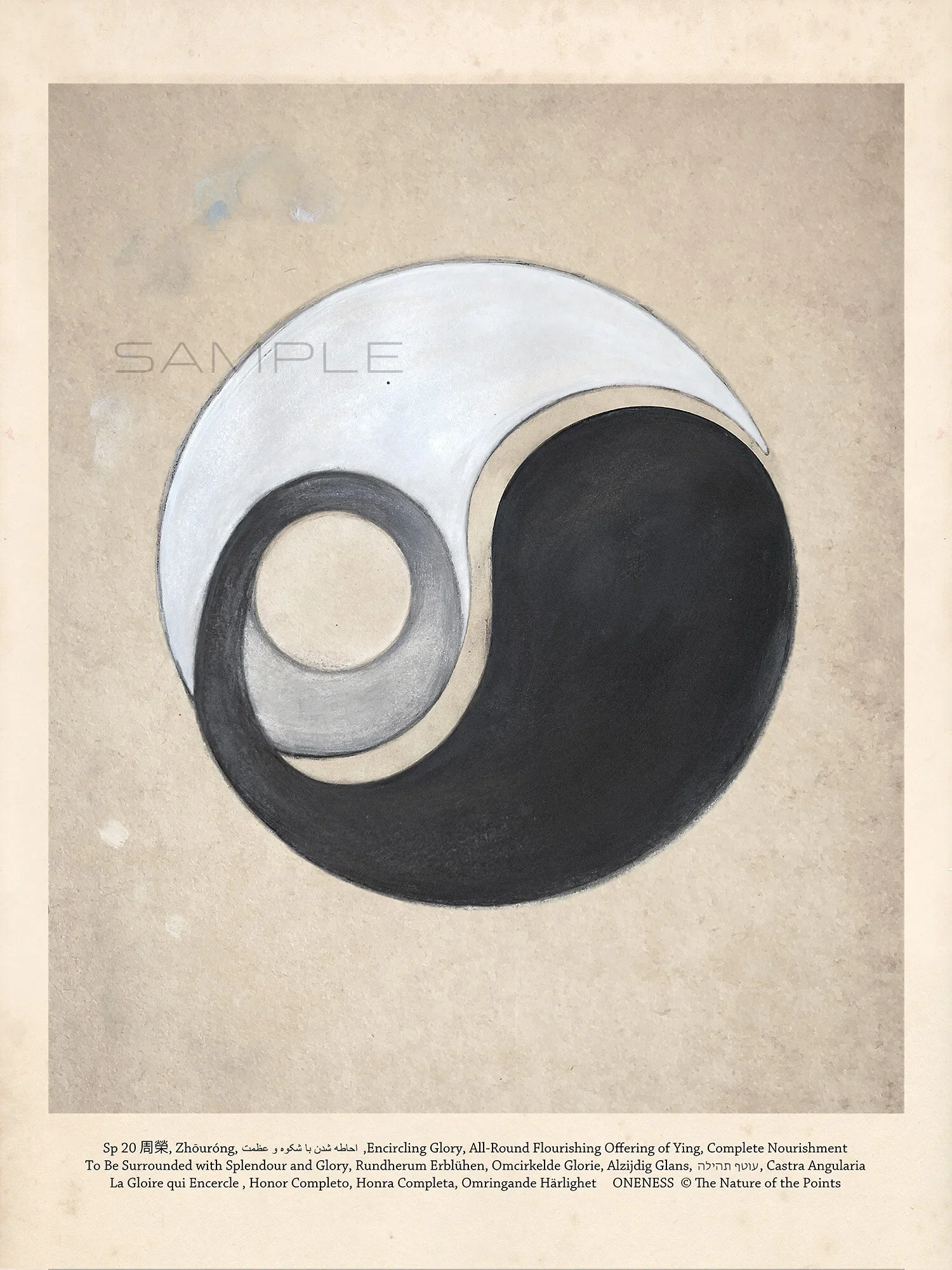
The concept of Yin and Yang is another one that’s fundamental to understanding Chinese medicine, as everything in the body can be categorized into these energetic signatures. Indeed, everything in life has a yin aspect and a yang aspect, and these polar forces can only be determined in relationship to one another. Worldly examples of these energies include daytime, masculinity, and fire as yang… while nighttime, femininity, and water are yin. Yin and yang transform into one another and harmonize in relation to each other; indeed, each of these energies is responsible for regulating the other and therefore cultivating overall balance. In our bodies, the vital substances can also be thought of as more yin or more yang. For example, qi is classified as yang and blood is considered yin. Even hormones can be thought of as yin and yang—with estrogen categorized as yin and progesterone as yang.
After coming up with an individualized and holistic diagnosis for each patient, we can begin to treat imbalances on the most comprehensive level, with an integrated view of the contributing elements, energetics, vital substances, body systems, organs, and metabolic processes. Acupuncture is one of the best modalities for remedying these imbalances, truly able to affect all of these pieces and stimulate the body’s own regulatory mechanisms so that we can return to homeostasis. Of course, there are a number of factors that contribute to the felt efficacy of acupuncture; acute issues are generally easier and quicker to treat, while chronic health issues often require ongoing care.
Since acupuncture supports not only a return to homeostasis but an improved capacity for maintaining this balance, and because homeostasis is the best preventative medicine, a lot of patients approach acupuncture as a maintenance treatment. This can look like coming in once a month for a tune-up session, and more frequently if an acute condition arises. To start, it’s best to receive acupuncture once a week for 4-6 weeks and within that time frame you should be able to tell if your condition is improving. It never ceases to amaze me how tending to balance within the precious environment of our bodies facilitates such diverse positive health outcomes, and it’s an honor to share this ancient wisdom with you—whether you’re on my table or reading this from a distant land.